
Kyoto drip coffee, often referred to as cold drip or Dutch coffee, is a mesmerizing method of brewing that has captivated coffee enthusiasts around the world. It involves a slow, methodical process that allows water to drip through coffee grounds over several hours, resulting in a brew that’s rich, complex, and incredibly aromatic. Originating from Japan, this technique offers a unique blend of flavors that highlight the coffee’s natural sweetness and acidity, making it a favorite among those who appreciate the intricacies of specialty coffee.
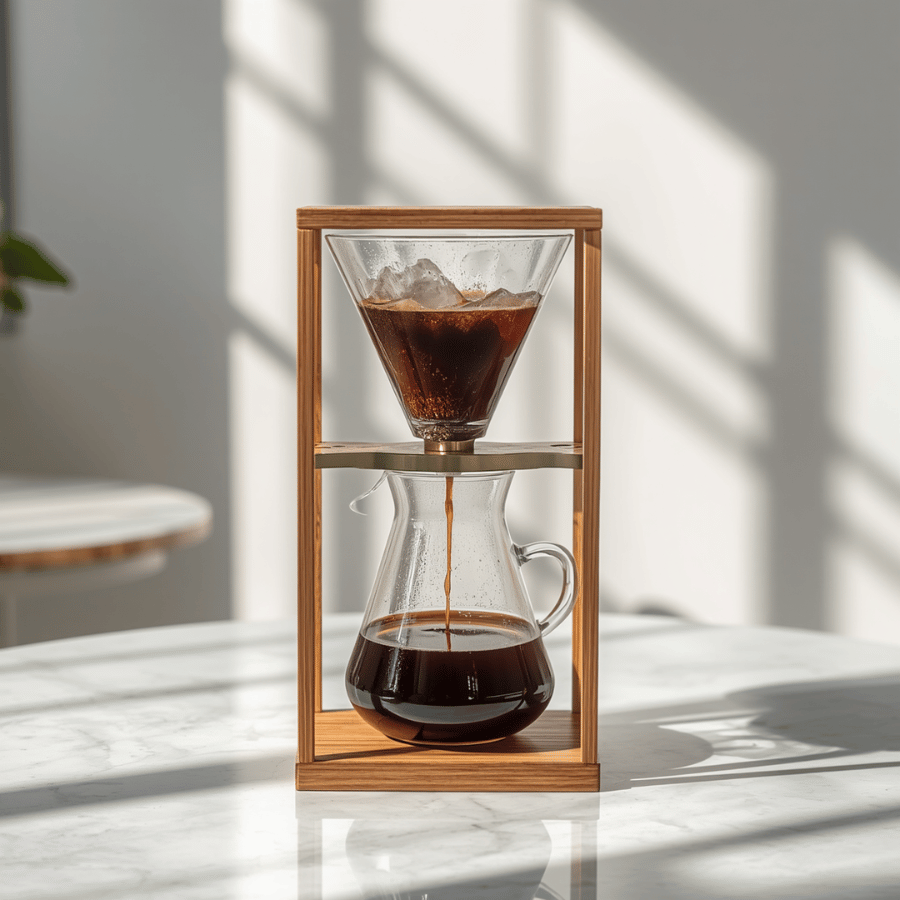
Crafting Kyoto drip coffee requires patience and precision, as the extraction process is key to achieving the ideal flavor profile. The beauty of this method lies not only in the taste but also in the visual aesthetic of the brewing apparatus, which often resembles an art installation. Watching the water slowly cascade through the coffee grounds is a ritual that transforms coffee-making into an art form, inviting you to savor each moment.
What sets Kyoto drip coffee apart is its cold extraction method, which tends to produce a smoother, less acidic cup compared to traditional hot brewing. This gentle process captures the delicate nuances of the beans, allowing for a cleaner finish. The resulting coffee can be enjoyed on its own or as a base for various coffee beverages, making it versatile and appealing to a wide range of palates.
In this recipe, we will delve into the specifics of creating your own Kyoto drip coffee at home, from selecting the right beans to mastering the timing and ratios for the perfect brew. So, prepare your taste buds for an extraordinary journey as we explore this exquisite coffee tradition, ensuring you can replicate it with precision and passion.
Our Story With This Recipe
I remember the first time I encountered Kyoto drip coffee at a small café tucked away in a quiet alley in Kyoto. The barista, with an air of reverence, meticulously set up the apparatus, each movement deliberate and intentional. As I watched the water slowly trickle through the coffee grounds, I felt a sense of anticipation building, knowing I was about to experience something special.
When my cup finally arrived, I was captivated by the aroma wafting from the glass. The first sip revealed a symphony of flavors that danced on my palate—sweet notes of caramel and hints of berry, all wrapped in a silky texture. It was a moment that ignited my passion for coffee culture, inspiring me to learn more about this intricate brewing method.
Since that day, I have experimented with various beans and brewing techniques, but the Kyoto drip method remains a favorite. It’s not just about the coffee; it’s about the entire experience, from brewing to savoring. This recipe captures that essence, allowing you to recreate this ritual in your own home, bringing a piece of Kyoto into your kitchen.
Why You’ll Love This Recipe
Kyoto drip coffee offers a unique drinking experience that is unlike any other brewing method. The cold extraction process results in a coffee that is exceptionally smooth and vibrant, allowing you to appreciate the nuanced flavors inherent in high-quality beans. With a lower acidity level, it’s gentler on the stomach, making it an appealing choice for those sensitive to acidity.
Moreover, this method allows for significant customization. You can experiment with different coffee origins, grind sizes, and brewing times to create a cup that perfectly matches your taste preferences. Whether you prefer the fruity notes of Ethiopian beans or the chocolatey richness of Colombian coffee, Kyoto drip coffee can showcase them beautifully.
Additionally, the visual aesthetics of the Kyoto drip setup can elevate your coffee experience. The slow, graceful process of brewing adds an element of mindfulness, inviting you to slow down and truly appreciate each step. It’s a wonderful way to engage with the coffee-making process, fostering a deeper connection to the beverage you love.
The Story Behind This Recipe
The Kyoto drip coffee method has its roots in Japan, where coffee culture began to flourish in the early 20th century. Influenced by Dutch traders, the cold brewing technique was adapted, leading to the creation of the intricate apparatus we see today. The combination of artistry and science in the Kyoto drip method reflects the Japanese dedication to craftsmanship, making it a revered practice among coffee aficionados.
This brewing style typically involves a slow drip process, where ice water is used to extract flavors from coarsely ground coffee over several hours. The result is a coffee that is not only low in acidity but also rich in flavor complexity. Many aficionados argue that cold extraction enhances the natural characteristics of the beans, allowing for a more pronounced sweetness and a smoother finish.
Throughout the years, Kyoto drip coffee has gained recognition beyond Japan, inspiring coffee shops and enthusiasts worldwide to embrace this method. The allure of its visual appeal and the depth of flavor have made it a staple on specialty coffee menus. It’s not uncommon to find baristas proudly showcasing their Kyoto drip setups, turning the brewing process into a captivating performance.
In recent years, the global coffee community has seen a resurgence of interest in cold brewing techniques, with Kyoto drip coffee standing out as a premier method. Its distinctive taste profile and artistic presentation have secured its place in coffee culture, making it a must-try for anyone wishing to explore the boundaries of flavor and brewing techniques.
Ingredients
- 1 cup coarse coffee grounds (Freshly ground coffee is essential for optimal extraction.)
- 4 cups filtered water (Use cold, filtered water for the best flavor.)
- 2 cups ice (Ice helps to cool the water during the brewing process.)
Equipment Needed
- Kyoto drip coffee maker
- coffee scale
- timer
- glass carafe
Instructions
- Begin by setting up your Kyoto drip coffee maker on a stable surface. Ensure that the glass carafe is clean and ready to catch the brewed coffee.
- Measure out 1 cup of coarse coffee grounds. It's crucial to use fresh coffee to achieve the best flavor profile. Place the grounds in the designated brewing chamber of your Kyoto drip setup.
- Fill the top reservoir with 2 cups of ice. This will help cool the water as it drips through the coffee grounds, allowing for a slow extraction process.
- Next, measure out 4 cups of filtered water. Slowly pour the water over the ice in the top reservoir, allowing it to melt gradually. This step is vital as it controls the drip rate and extraction time.
- Set your timer for 4 hours. The ideal brewing time for Kyoto drip coffee is around 4 to 5 hours, depending on your taste preference. Monitor the water level in the top reservoir and refill if necessary.
- Once the brewing time is complete, remove the coffee grounds from the brewing chamber. Pour the freshly brewed coffee into your glass carafe and enjoy it hot or over ice.
Pro Tips
- Use a scale to measure your coffee and water precisely. The ideal coffee-to-water ratio for Kyoto drip coffee is usually around 1:4.
- Experiment with different grind sizes. A coarser grind will yield a smoother cup, while a finer grind may enhance the complexity of flavors.
- Keep an eye on the water temperature. Using cold water is essential for achieving the right extraction without bitterness.
- Consider using different coffee origins. Try a single-origin coffee to explore the unique flavor profiles that each bean offers.
- Be patient! The beauty of Kyoto drip coffee lies in the slow extraction process, which can take anywhere from 4 to 5 hours.
Shop This Recipe
Variations & Modifications
For those looking to add a twist to their Kyoto drip coffee, consider infusing different flavors during the brewing process. You can add spices like cinnamon or cardamom to the coffee grounds for a warm, aromatic cup.
Another delightful variation is to use different kinds of sweeteners. Experiment with natural sweeteners such as honey or agave syrup to enhance the coffee’s natural sweetness without overpowering its flavors.
If you’re feeling adventurous, try incorporating flavored syrups or extracts, such as vanilla or hazelnut, during the brewing process. These additions can create an entirely new flavor profile, perfect for those who enjoy experimenting with their coffee.
Finally, consider serving your Kyoto drip coffee with a splash of milk or a dollop of whipped cream for a luxurious treat. This can add richness and creaminess, transforming your coffee into a dessert-like experience.
Serving & Pairing Suggestions
Kyoto drip coffee pairs beautifully with light pastries, such as croissants or fruit tarts. The delicate sweetness of the pastries complements the smooth flavors of the coffee, creating a harmonious balance.
For a heartier option, consider pairing it with a slice of almond cake or a rich chocolate brownie. The nutty and chocolatey notes will enhance the coffee’s complexity, making for an indulgent pairing.
If you’re looking for a savory option, try serving Kyoto drip coffee alongside a cheese platter featuring mild cheeses like Brie or Gouda. The creaminess of the cheese will contrast nicely with the coffee’s acidity, offering a unique tasting experience.
Storage & Make-Ahead Instructions
If you have leftover Kyoto drip coffee, store it in an airtight container in the refrigerator. It can stay fresh for up to 3 days. To reheat, gently warm it on the stove or in the microwave, being careful not to bring it to a boil, as this can alter the flavor profile.
Alternatively, you can enjoy your cold brew coffee over ice or use it as a base for coffee cocktails. Adding a splash of tonic water or a dash of cream can create a refreshing twist on traditional coffee drinks.
Troubleshooting
If your coffee tastes bitter, this could be due to over-extraction. Ensure that your grind size is coarse enough and monitor the brewing time closely.
If the coffee is too weak, consider increasing the coffee-to-water ratio or using a finer grind. Adjusting these variables can significantly impact the strength and flavor of your brew.
For uneven extraction, check the water distribution over the coffee grounds. Make sure that the water is dripping evenly to avoid any dry spots in the coffee bed.
If your brew time runs longer than expected, ensure that the water is melting at a controlled pace. You may need to adjust the amount of ice or check for any clogs in the brewing apparatus.
Nutritional Information
Kyoto drip coffee is low in calories and contains no sugar unless sweeteners are added. It retains the natural antioxidants found in coffee, making it a healthy beverage choice. Additionally, due to the cold brewing process, it tends to be less acidic, which can be easier on the stomach for those sensitive to acidity. Always consider any added ingredients, such as sweeteners or milk, for their nutritional values.
Frequently Asked Questions
Q: What type of coffee beans should I use for Kyoto drip coffee?
A: Opt for high-quality, freshly roasted beans. Single-origin coffees are excellent choices, as they allow you to explore different flavor profiles.
Q: How long does it take to brew Kyoto drip coffee?
A: The brewing process typically takes between 4 to 5 hours, depending on your taste preference.
Q: Can I use hot water instead of ice?
A: It’s best to use ice to achieve the cold extraction process, which results in a smoother cup with lower acidity.
Q: Is Kyoto drip coffee suitable for iced coffee drinks?
A: Absolutely! The resulting coffee can be enjoyed over ice or as a base for various coffee beverages.
Q: Can I use flavored coffee grounds for Kyoto drip coffee?
A: Yes, but be aware that flavored coffees may alter the delicate balance of flavors achieved through the cold brewing process.