
Creating a latte at home transcends the mere act of brewing coffee; it’s an art form that invites creativity and personal expression. Originating in Italy, the latte combines espresso with steamed milk, resulting in a creamy, comforting beverage that has become beloved worldwide. This recipe not only guides you through the technical aspects of crafting a perfect latte but also instills a deeper appreciation for the nuances of coffee. From selecting the right beans to mastering the extraction and milk frothing technique, this guide will elevate your coffee game to new heights.
Our Story With This Recipe
My journey with coffee began in a quaint little café tucked away in the cobblestone streets of Florence. I remember savoring my first latte, its creamy texture and rich flavor forever etched in my memory. This experience ignited a passion for coffee that led me to explore various brewing methods and bean origins. Crafting lattes at home became a ritual, a moment of mindfulness in my busy day, allowing me to immerse myself in the flavors and aromas of freshly brewed coffee. With this recipe, I hope to share that joy with you, transforming your kitchen into your personal café.
As I honed my skills, I discovered that each step in the latte-making process—from selecting beans to perfecting the milk froth—offers an opportunity for creativity. I began to understand the significance of every detail, from the bean origin to the temperature of the milk. This recipe is more than just a guide; it’s an invitation to explore and experiment with your coffee preferences, making each cup uniquely yours. Join me in this journey, and let’s brew a perfect latte together.
Why You’ll Love This Recipe
What makes a latte so beloved is its perfect harmony of flavors and textures. The rich, bold espresso serves as the foundation, while the steamed milk softens its intensity, creating a smooth, velvety mouthfeel that is simply irresistible. Each sip offers a delightful contrast between the robust coffee and the creamy milk, making it an ideal beverage for any time of day.
Moreover, making a latte at home allows for complete customization. You can choose your favorite beans, adjust the milk texture to your liking, and explore various flavor additions, such as vanilla syrup or a sprinkle of cinnamon. This level of personalization ensures that every cup reflects your unique palate.
Furthermore, the art of crafting lattes can be incredibly rewarding. Mastering the skill of milk frothing and espresso extraction not only enhances your coffee knowledge but also gives you the confidence to impress friends and family with your barista skills. The joy of sharing a homemade latte with loved ones is a wonderful experience, making it a perfect addition to your coffee repertoire.
The Story Behind This Recipe
The latte, or ‘caffè latte’ in Italian, literally translates to ‘milk coffee.’ It has evolved from its humble beginnings in Italian cafés to become a staple across coffee shops worldwide. Its base, espresso, is known for its concentrated flavor, while the steamed milk adds a luscious creaminess that balances the intensity of the coffee.
The origin of the espresso itself can be traced back to the early 20th century in Italy, where baristas began to experiment with pressurized brewing methods. The combination of espresso and milk gained traction post-World War II, particularly in the United States, where coffee culture experienced a significant transformation. Today, the latte is celebrated not just for its taste but also for its aesthetic appeal, with beautiful latte art adorning the top of each cup.
Understanding the nuances of coffee cultivation is crucial for any coffee enthusiast. The flavor profiles of coffee beans vary widely depending on their origin. For example, beans from Ethiopia often exhibit floral and fruity notes, while Brazilian beans provide a nutty and chocolatey depth. This knowledge enhances your ability to select beans that align with your personal taste, making your latte experience even more enjoyable.
In the world of coffee, every detail matters—from the grind size and extraction time to the milk frothing technique. Mastering these components allows you to dial in the perfect balance of flavors and textures. As you embark on this latte-making journey, remember that practice is key. The more you experiment, the closer you will get to crafting your ideal cup.
Ingredients
- 18 grams espresso coffee beans (Use freshly roasted beans for optimal flavor.)
- 60 milliliters water (Filtered water is preferred for purity.)
- 240 milliliters whole milk (You can substitute with oat or almond milk.)
Equipment Needed
- espresso machine
- grinder
- milk frother or steam wand
- digital scale
- thermometer
- tamp
- coffee cup or latte glass
Instructions
- Begin by weighing out 18 grams of your chosen espresso beans. This precise measurement is crucial for achieving the right flavor extraction. Grind the beans to a fine consistency, similar to table salt. The grind size will significantly impact the extraction time and flavor profile.
- Next, set up your espresso machine and fill the water reservoir with filtered water. Once heated, place the portafilter on the scale, add the ground coffee, and tamp it firmly with even pressure to create a consistent surface. Make sure your tamp is level to ensure even extraction.
- Lock the portafilter into the machine and start the extraction. Aim for a yield of around 30-40 milliliters of espresso within 25-30 seconds. Watch for the crema to form—a rich, golden layer on top of the espresso that indicates a well-extracted shot.
- While the espresso is brewing, prepare your milk. Measure out 240 milliliters of whole milk and pour it into your milk frother or steam pitcher. If using a steam wand, position it just below the surface of the milk and begin steaming, creating a whirlpool effect. Heat the milk to around 65-70°C (150-160°F) without letting it boil, which will create a smooth microfoam.
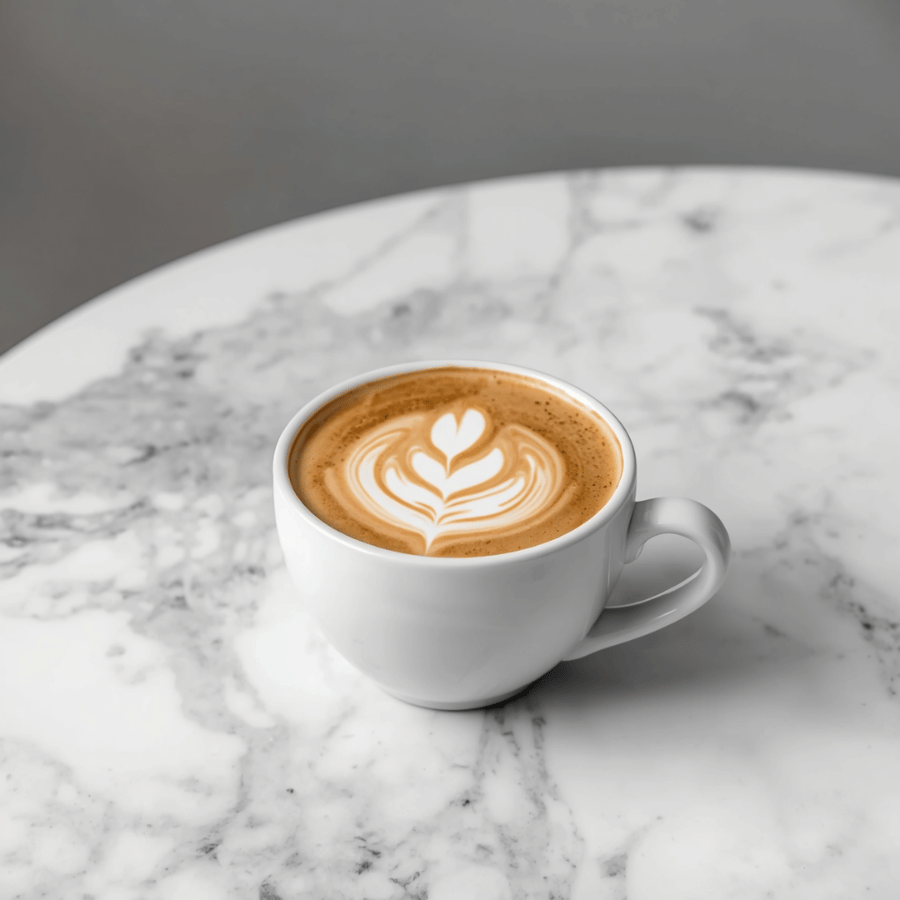
- Once your espresso and milk are ready, pour the steamed milk over the espresso. Start by pouring from a height to mix the layers, then lower the pitcher to create latte art. Use a steady hand and tilt the cup to guide the milk into a heart shape or rosette pattern, showcasing your barista skills.
Pro Tips
- Always use freshly roasted coffee beans for the best flavor. If possible, grind your beans just before brewing to preserve their freshness.
- Experiment with different espresso extraction times to find your perfect flavor balance. A shorter extract will yield a more acidic and bright shot, while a longer extract will produce a fuller body.
- When frothing milk, use cold milk straight from the fridge for the best results. This allows for better microfoam creation.
- Perfect your tamping technique by applying even pressure and ensuring the coffee bed is level. Uneven tamping can lead to channeling and inconsistent extraction.
- Practice your latte art by starting with simple shapes before moving on to more intricate designs. Consistency in your pouring technique is key.
Shop This Recipe
Variations & Modifications
If you’re feeling adventurous, consider exploring various latte variations. A vanilla latte, for instance, adds a splash of vanilla syrup to the espresso before pouring in the milk, providing a sweet and aromatic twist. For a seasonal touch, try a pumpkin spice latte by adding pumpkin puree and spices to your espresso.
For a refreshing summer beverage, consider an iced latte. Simply brew your espresso and let it cool, then pour it over ice and add cold milk or milk alternatives. The result is a delightfully chilled drink that retains the rich flavors of the original recipe.
Finally, if you’re looking to reduce dairy, try using oat milk or almond milk. Both alternatives froth beautifully and provide a unique flavor profile that can enhance your latte experience.
Serving & Pairing Suggestions
A latte pairs beautifully with a variety of pastries, making it an ideal breakfast or brunch option. Consider enjoying it alongside a buttery croissant or a slice of rich banana bread for a delightful contrast of flavors.
For a heartier pairing, a savory quiche or a slice of frittata can complement the creamy texture of the latte exceptionally well. The balanced flavors of the coffee enhance the richness of the egg dishes, creating a satisfying meal.
Storage & Make-Ahead Instructions
While it’s best to enjoy your latte fresh, you can store leftover espresso in the fridge for up to 24 hours. Reheat gently on the stovetop or in the microwave, being careful not to bring it to a boil. If you’ve frothed milk, it’s recommended to consume it immediately, as reheating can compromise the foam quality. For best results, froth fresh milk when you’re ready to enjoy your latte.
Troubleshooting
If your espresso shots are coming out too bitter, consider adjusting your grind size to a coarser setting or reduce the extraction time. Conversely, if your shots are too sour, try a finer grind or extending the brewing time to enhance the sweetness.
For milk that isn’t frothing well, ensure your steam wand is clean and fully submerged in the milk. Experiment with different milk types, as some froth better than others. Whole milk generally produces the best microfoam due to its fat content.
If you struggle with latte art, focus on the pouring technique. Pouring too fast can result in a lack of definition in your designs, while pouring too slowly may cause the milk to separate from the espresso. Practice makes perfect—don’t be discouraged if it takes time to master this skill.
Nutritional Information
A standard latte made with whole milk contains approximately 150 calories per serving, not including any added syrups or sweeteners. If you’re looking for a lighter option, switching to skim or plant-based milk can significantly reduce the calorie count. Additionally, consider using sugar alternatives for those mindful of their sugar intake. Always check the nutritional information of any flavored syrups you may add, as they can vary widely in calories and ingredients.
Frequently Asked Questions
Q: What type of coffee beans are best for lattes?
A: Espresso beans, typically a medium to dark roast, are ideal for lattes. Look for blends that are specifically labeled for espresso to ensure a balanced flavor.
Q: Can I make a latte without an espresso machine?
A: Yes! You can use a French press or AeroPress to brew strong coffee as a substitute for espresso. Just make sure to brew it strong to mimic the espresso’s intensity.
Q: How do I achieve the perfect microfoam?
A: To create microfoam, use cold milk and steam it at a low temperature while incorporating air. The goal is to achieve a velvety texture with tiny bubbles.
Q: What should I do if my latte art isn’t turning out?
A: Practice is key! Focus on your pouring technique and ensure the milk is properly frothed. Start with basic shapes before advancing to more complex designs.
Q: Can I make a latte with flavored syrups?
A: Absolutely! Adding flavored syrups like vanilla or caramel can enhance your latte. Just adjust the amount of syrup to suit your taste preference.