
The Spanish latte, a creamy delight hailing from the vibrant coffee culture of Spain, combines rich espresso with smooth, sweetened condensed milk. This indulgent drink is not just a treat; it’s an experience that transports you to the bustling cafes of Madrid or the sun-drenched plazas of Barcelona. Its unique balance of robust coffee flavor and velvety texture makes it a beloved choice for coffee aficionados and casual drinkers alike. In this recipe, we’ll guide you through the process of creating your own Spanish latte at home, ensuring every sip is a moment of pure bliss. Join us as we explore the nuances of bean origins, extraction techniques, and the artistry behind this exceptional beverage.
Our Story With This Recipe
Growing up, my mornings often began with the aroma of freshly brewed coffee wafting through the kitchen. My grandmother had a ritual: she would prepare her Spanish latte with such care, blending the perfect espresso with sweetened condensed milk. Each cup was a moment of connection, a way to start the day with warmth and flavor. As I became a barista, I realized that this drink is more than just a beverage; it’s a celebration of culture and craftsmanship. Today, I’m excited to share this cherished recipe with you, complete with tips to elevate your coffee game.
Why You’ll Love This Recipe
You’ll love the Spanish latte for its harmonious blend of flavors and textures. The sweetened condensed milk adds a creamy sweetness that balances the coffee’s acidity, creating a drink that is both comforting and invigorating. This recipe allows you to customize the sweetness to your liking, making it a versatile choice for any palate. Moreover, crafting a Spanish latte at home not only saves you money but also gives you the pleasure of mastering a café-quality beverage in your own kitchen.
The Story Behind This Recipe
The Spanish latte, or ‘café con leche,’ is a staple in Spanish cafes, enjoyed by locals throughout the day. Unlike its Italian counterpart, the Spanish latte leans on the sweet richness of condensed milk, creating a luxurious mouthfeel that complements the boldness of espresso. Historically, Spain has a rich coffee culture influenced by various regions, each contributing unique flavors and brewing methods. The beans used in a Spanish latte often originate from Latin America, where the sweetness and fruitiness of coffee shine through, making them perfect for this drink. Understanding the origin of your beans can enhance your appreciation of this beloved coffee style.
Ingredients
- 2 shots Espresso (Use freshly ground beans for optimal flavor.)
- 1/4 cup Sweetened condensed milk (Adjust according to your sweetness preference.)
- 1 cup Whole milk (You can use oat milk or almond milk for a dairy-free option.)
Equipment Needed
- Espresso machine
- Milk frother
- Measuring cup
- Coffee grinder
Instructions
- Start by selecting high-quality coffee beans. For a classic Spanish latte, choose beans from Central or South America, known for their sweetness and medium body. Grind your beans to a fine consistency, ensuring optimal extraction during brewing.
- Brew two shots of espresso using your espresso machine. Aim for a yield of about 2 ounces per shot, extracted over 25-30 seconds. This will help develop a rich crema that enhances the overall flavor of your latte.
- While the espresso is brewing, heat your milk in a saucepan or using a milk frother until it reaches around 150°F (65°C). If using a frother, ensure that it creates a velvety microfoam, which will blend beautifully with the espresso.
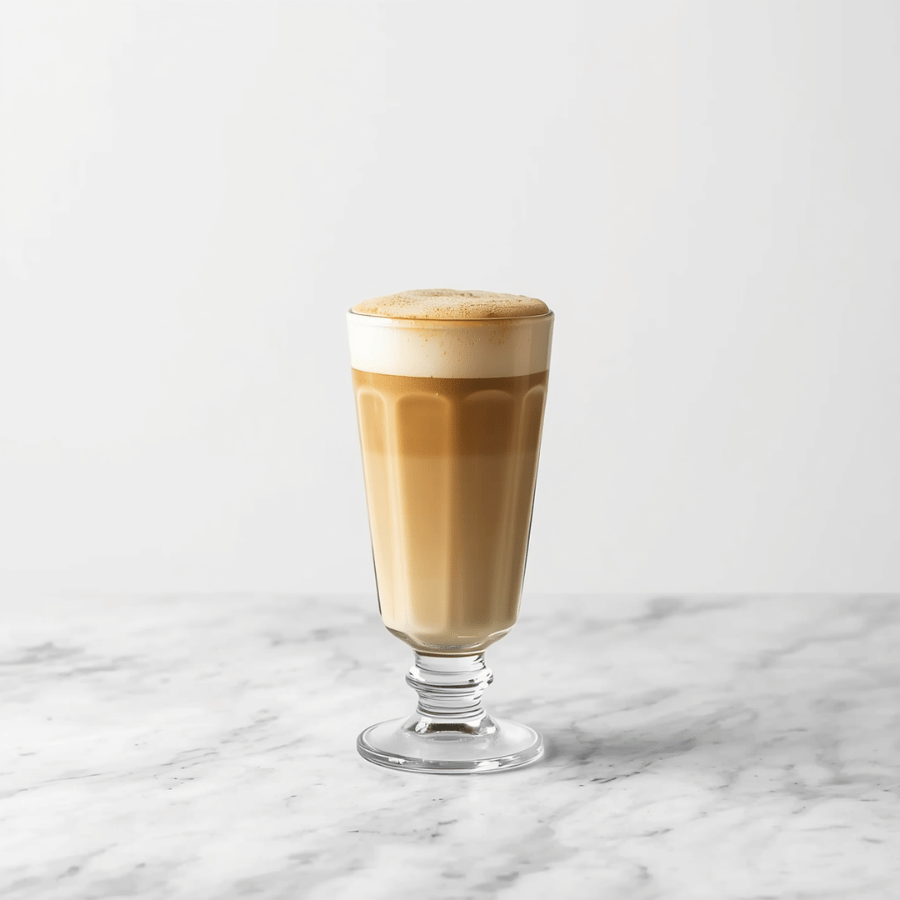
- In a large cup or glass, pour in the sweetened condensed milk. Then, gently add the freshly brewed espresso shots over the condensed milk, allowing the two to mix slightly. Finally, pour the steamed milk on top, holding back the foam with a spoon to create a layered effect.
- For an extra touch, finish your Spanish latte with a sprinkle of cinnamon or cocoa powder on top. This not only adds visual appeal but also enhances the flavor profile.
Pro Tips
- Use a scale to measure your coffee and water for precise results. A standard ratio is 1:2, with 18 grams of coffee yielding 36 grams of espresso.
- Experiment with different beans to find the flavor profile you love. Single-origin beans can offer unique tasting notes that transform your drink.
- If you're new to espresso, practice dialing in your grind size and tamping pressure to achieve the perfect extraction.
- To create a thicker crema, try using a slightly coarser grind and adjust your extraction time to around 30 seconds.
- Don’t rush the milk frothing process; slow and steady achieves the best foam consistency.
Shop This Recipe
Variations & Modifications
For a twist on the classic Spanish latte, consider incorporating flavored syrups such as vanilla or caramel. This adds a delightful sweetness that complements the espresso and condensed milk beautifully. Alternatively, you can create an iced version by brewing the espresso double-strength, cooling it, and then mixing it with cold milk and condensed milk over ice. For a spiced variation, add a dash of nutmeg or cardamom to the mix, introducing a warm, aromatic element that elevates the drink to new heights. Lastly, for those desiring a lower-calorie option, replace sweetened condensed milk with a sugar-free alternative or blend in a banana for natural sweetness.
Serving & Pairing Suggestions
A Spanish latte pairs wonderfully with a slice of buttery croissant or a rich chocolate pastry, creating a delightful breakfast experience. For an afternoon treat, enjoy it alongside a piece of almond cake or a simple biscuit, balancing the sweetness of the latte with a crisp, buttery texture. If you’re feeling adventurous, try it with a savory Spanish tortilla for an intriguing contrast of flavors.
Storage & Make-Ahead Instructions
For best results, consume your Spanish latte immediately after preparation. If you have leftover espresso, it can be stored in an airtight container in the refrigerator for up to 24 hours. When reheating, avoid boiling, as this can affect the flavor. Instead, warm gently on the stove or in the microwave until just heated through. Freshly frothed milk will always yield the best texture and flavor, so it’s recommended to prepare that fresh each time.
Troubleshooting
If your espresso is bitter, consider adjusting your grind size or extraction time; a finer grind or longer extraction can bring out unwanted flavors. If your milk isn’t frothing well, ensure it’s fresh and cold, and that you’re using a frothing pitcher that allows for a good whirl. If the drink is too sweet, reduce the amount of condensed milk next time and explore adding a pinch of salt to balance the sweetness. Lastly, if your crema is weak, check your grind size and tamping technique, as these are crucial for achieving that perfect layer of crema on top.
Nutritional Information
A standard Spanish latte made with whole milk and sweetened condensed milk contains approximately 250 calories per serving, depending on the specific brands used. It also offers a good source of calcium and protein. For a lighter version, opt for low-fat milk or a non-dairy alternative, which can significantly reduce calories while still providing a delicious flavor.
Frequently Asked Questions
Q: Can I use decaf coffee for a Spanish latte?
A: Absolutely! Decaf coffee works wonderfully in a Spanish latte, allowing you to enjoy the flavors without the caffeine.
Q: What type of espresso machine is best for making a Spanish latte?
A: Any espresso machine will do, but those with a steam wand for frothing milk will give you the best results.
Q: Can I make a Spanish latte without an espresso machine?
A: Yes, you can use a stovetop Moka pot to brew strong coffee, though the flavor and crema may differ slightly.
Q: Is it possible to make a vegan Spanish latte?
A: Definitely! Substitute sweetened condensed milk with a vegan alternative and use plant-based milk, such as almond or oat milk.
Q: How do I achieve the perfect milk froth?
A: Frothing milk requires practice; aim for a gentle whirl and avoid overheating. The ideal temperature for milk frothing is around 150°F (65°C).