
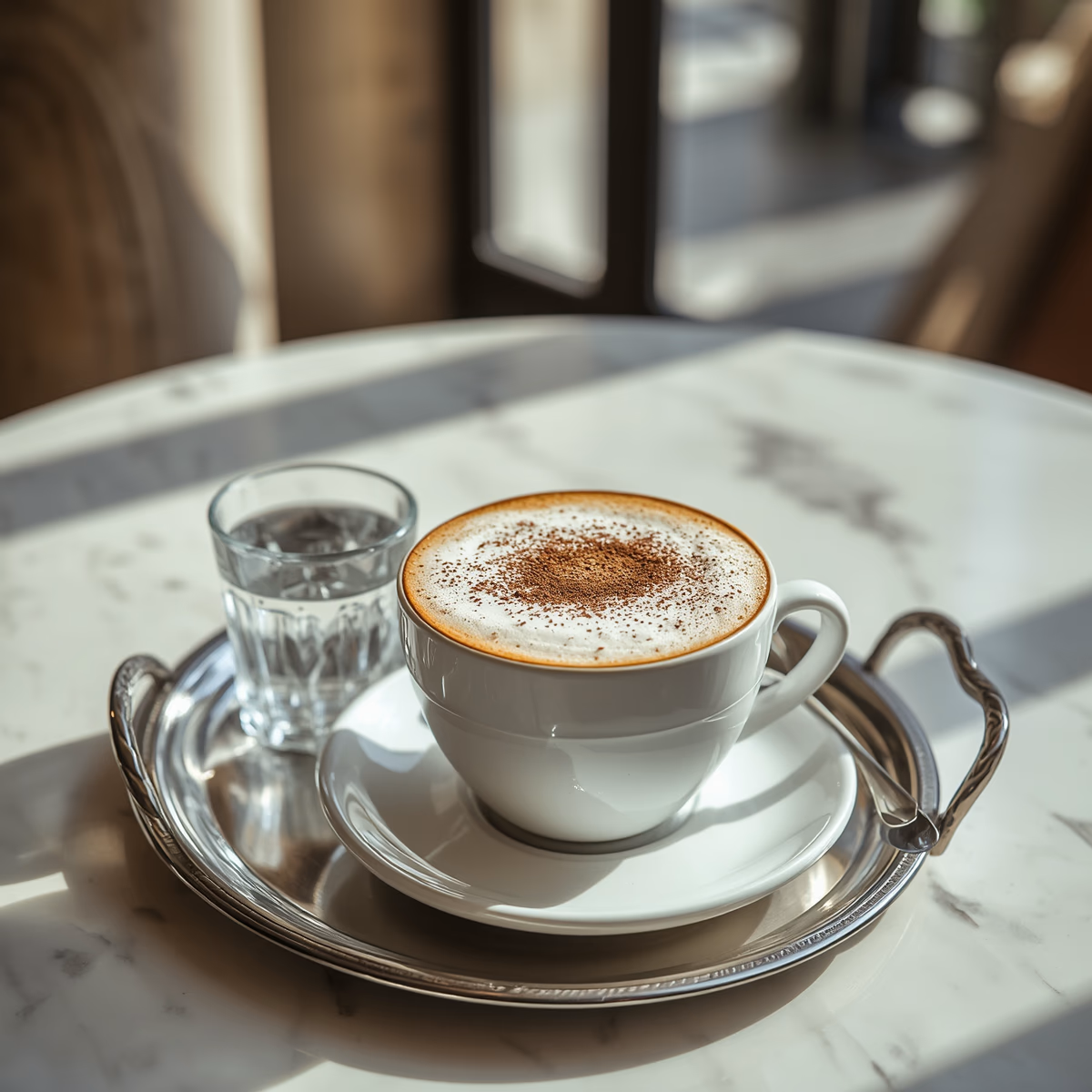
The Wiener Melange is a delightful coffee beverage that hails from Vienna, Austria, combining the richness of espresso with the creaminess of steamed milk and a touch of froth. This luxurious drink is often enjoyed in the charming cafes of Vienna, where the coffee culture is steeped in history and tradition. With its harmonious blend of flavors and textures, the Wiener Melange offers a comforting and indulgent experience, perfect for any time of day.
Its origins date back to the 19th century, when Viennese coffee houses were at the height of their popularity. The Melange, a term that means ‘mixture,’ reflects the art of balancing espresso and milk, resulting in a drink that is both inviting and sophisticated. Each sip reveals layers of flavor, from the deep, roasted notes of the coffee to the creamy, velvety texture of the milk, all crowned with a delicate foam.
This recipe not only captures the essence of Vienna’s coffee culture but also invites you to explore the nuances of coffee preparation. Whether you’re a seasoned barista or a curious coffee enthusiast, making a Wiener Melange allows you to experiment with extraction times, bean origins, and even milk frothing techniques. It’s an opportunity to elevate your coffee-making skills while indulging in a timeless classic.
Join me on this aromatic journey as we delve into the precise steps of crafting the perfect Wiener Melange, complete with expert tips, variations, and delectable pairings that will enhance your coffee experience.
Our Story With This Recipe
As a barista, I’ve always been captivated by the artistry and precision involved in crafting coffee. I vividly remember my first encounter with the Wiener Melange during a trip to Vienna. Nestled in a quaint café, I watched as the barista skillfully pulled a shot of espresso, the crema glistening under the soft café lights. The anticipation built as he poured velvety steamed milk over the espresso, creating a beautiful swirl of color. When I took that first sip, it was as if the flavors danced on my palate—rich, creamy, and utterly divine.
That experience ignited a passion within me for exploring the world of coffee beyond the standard cup. The Wiener Melange, with its unique combination of espresso and milk, became a symbol of my journey into coffee culture. I was inspired to recreate this luxurious drink at home, honing my skills and diving deep into the nuances of extraction times and bean profiles. Each attempt brought me closer to that perfect cup, and I couldn’t wait to share this delightful recipe with fellow coffee lovers.
Now, as I guide you through the process of making a Wiener Melange, I invite you to join me in celebrating this enchanting coffee tradition. Together, we’ll explore the intricacies of brewing, the importance of quality beans, and the joy of creating a beverage that not only warms the body but also nourishes the soul.
Why You’ll Love This Recipe
You’ll love the Wiener Melange not just for its exquisite taste, but also for the ritual it brings into your daily routine. Preparing this beverage allows you to take a moment for yourself, to pause and appreciate the craftsmanship involved in each cup. It’s a reminder of the beauty found in simple pleasures and the joy of savoring something made with care.
The flavors of the Wiener Melange are a harmonious blend of rich coffee and creamy milk, often punctuated by hints of sweetness from the milk and the natural caramel notes of the coffee beans. Each sip offers a different experience, revealing layers of flavor that evolve as the drink cools. This dynamic tasting journey keeps you engaged and makes each cup uniquely satisfying.
Moreover, the Wiener Melange is versatile and can be enjoyed at any time of day. Whether you prefer it as a morning pick-me-up or a comforting afternoon treat, its balanced flavors and inviting aroma make it a delightful companion. Plus, it’s an excellent way to showcase your barista skills to friends and family, allowing you to share the joys of coffee culture with others.
The Story Behind This Recipe
The Wiener Melange is more than just a coffee drink; it is a cultural emblem of Vienna’s rich coffee history. Vienna is known for its coffee houses, which have served as meeting places for artists, intellectuals, and the everyday coffee lover since the 17th century. The establishment of these cafés laid the groundwork for a unique coffee culture that emphasizes not only the beverage itself but also the experience of enjoying it.
Traditionally, the Wiener Melange is made with a single or double shot of espresso, steamed milk, and a frothy milk cap. Unlike a cappuccino, which is predominantly foam, the Melange strikes a balance between espresso and milk, allowing the coffee’s bold flavors to shine through while still providing a creamy texture. It reflects the Austrian tradition of coffee preparation, where skillful brewing and presentation are paramount.
The choice of coffee beans is crucial in making a Wiener Melange. High-quality Arabica beans, often sourced from regions such as Ethiopia or Colombia, provide the ideal flavor profile—complex, with notes of chocolate, caramel, and citrus. These beans are typically roasted to a medium level to enhance their natural sweetness and balance acidity, making them perfect for blending with milk.
In addition to the coffee itself, the technique of frothing the milk is an art form. A properly frothed milk should be creamy, velvety, and stable enough to hold its shape but not overly stiff. This textural component elevates the drinking experience, allowing for that delightful contrast between the rich coffee and the smooth milk.
Ingredients
- 18 grams freshly roasted Arabica coffee beans (for a rich espresso base)
- 240 milliliters filtered water (for brewing espresso)
- 240 milliliters whole milk (for steaming and frothing)
- to taste teaspoon sugar or sweetener (optional, for added sweetness)
- to taste pinch ground cinnamon or cocoa powder (for garnish)
Equipment Needed
- espresso machine
- coffee grinder
- milk frother or steam wand
- coffee scale
- thermometer
- tamp
- coffee cup
Instructions
- Start by weighing out 18 grams of freshly roasted Arabica coffee beans. Use a burr grinder to grind the beans to a fine consistency, similar to table salt. This will ensure optimal extraction during the brewing process.
- Next, measure 240 milliliters of filtered water. Fill your espresso machine's water reservoir and preheat your machine. If you're using a stovetop espresso maker, place the water in the bottom chamber.
- Once the machine is ready, tamp the ground coffee evenly into the portafilter with firm pressure. The goal is to create a smooth and even surface to facilitate even extraction.
- Brew the espresso by locking the portafilter into the machine and starting the extraction. Aim for a yield of about 36-40 milliliters of espresso, which should take approximately 25-30 seconds. Look for rich crema on top—this is a sign of a well-extracted shot.
- While the espresso is brewing, pour 240 milliliters of whole milk into a frothing pitcher. Use a thermometer to monitor the milk temperature as you steam. Heat the milk to about 65-70 degrees Celsius for the best texture.
- Introduce steam into the milk by inserting the steam wand just below the surface. Move the wand in a circular motion to create a whirlpool effect, which helps incorporate air and create microfoam. Be careful not to overheat the milk, as it can scorch.
- Once the milk is frothed, gently swirl the pitcher to integrate the foam. Pour the steamed milk over the espresso in a circular motion, allowing the foam to rise and create a beautiful layered effect.
- If desired, add sugar or sweetener to taste, and finish with a light dusting of ground cinnamon or cocoa powder as a garnish. Serve immediately and enjoy your Wiener Melange.
Pro Tips
- Use freshly roasted coffee beans for the best flavor. Coffee begins to lose its freshness soon after roasting, so try to use beans that were roasted within the last two weeks.
- Experiment with different espresso extraction times. A shorter extraction may yield a brighter, more acidic flavor, while a longer extraction can create a richer, more full-bodied cup.
- When frothing milk, keep an eye on the texture. You want a silky microfoam, not overly stiff froth. Practice makes perfect, so don’t hesitate to try multiple techniques until you find the right one.
- Consider using a thermometer to measure the milk temperature precisely. Steamed milk should be hot to the touch but not boiling, which can negatively affect the flavor.
- If you prefer a sweeter beverage, try adding flavored syrups or experimenting with natural sweeteners like honey or agave.
Shop This Recipe
Variations & Modifications
For those looking to add a twist to the traditional Wiener Melange, consider the ‘Viennese Chocolate Melange.’ Simply add a spoonful of high-quality cocoa powder or chocolate syrup to the espresso before pouring in the milk. This chocolatey variation adds a rich depth, perfect for dessert lovers.
Another delightful variation is the ‘Spiced Melange.’ Incorporate warming spices such as nutmeg or cardamom into the frothed milk for an aromatic experience. This is especially comforting during the colder months when you crave something cozy.
For a lighter option, you can create a ‘Wiener Melange Freddo’ by using cold brew coffee instead of espresso and cold frothed milk. This refreshing take is ideal for summer days, allowing you to enjoy the classic flavors in a chilled format.
Serving & Pairing Suggestions
The Wiener Melange pairs beautifully with a variety of pastries, particularly those that are traditional to Vienna. A slice of Apfelstrudel, with its tender apples and flaky pastry, complements the coffee’s richness perfectly. The spices in the strudel enhance the flavors of the coffee, creating a harmonious balance.
For a more indulgent treat, consider serving your Melange alongside a chocolate croissant. The buttery layers and rich chocolate create a decadent experience that elevates your coffee break to a luxurious affair.
Finally, a simple butter biscuit or shortbread cookie can serve as a delightful accompaniment, adding a touch of sweetness without overwhelming the beverage’s nuanced flavors.
Storage & Make-Ahead Instructions
For the best experience, the Wiener Melange is best enjoyed fresh. However, if you have leftover espresso, it can be stored in an airtight container in the refrigerator for up to 24 hours. Reheat gently on the stove or in the microwave before using it to make your Melange.
Milk should be consumed on the same day it is steamed. If you have leftover frothed milk, it can be saved for a short period but may lose its texture. Re-frothing may be necessary to restore the microfoam quality.
Troubleshooting
If your espresso is coming out too bitter, consider adjusting your grind size to a coarser setting or shortening your extraction time. Over-extraction can lead to undesirable flavors. Conversely, if your espresso tastes sour, try a finer grind or a longer extraction to enhance the sweetness.
For milk frothing, if you find that your milk isn’t frothing well, check your steam wand for blockages and ensure you’re using the right technique. The milk should be swirling in a whirlpool motion to create microfoam.
If your frothed milk is too stiff, you may be introducing too much air. Practice the angle and depth of your steam wand to achieve the right balance of air and heat.
Lastly, if you’re not achieving the desired sweetness, remember that the quality of your sweetener can make a difference. Experiment with different types to find what complements your Melange best.
Nutritional Information
A typical Wiener Melange contains approximately 150-250 calories, depending on the amount of milk and sweetener used. For those mindful of dietary restrictions, using plant-based milk alternatives can lower calorie content and cater to lactose intolerance. Additionally, reducing or eliminating added sugars can make this beverage a lower-calorie treat without sacrificing flavor.
Frequently Asked Questions
Q: What kind of coffee beans should I use for a Wiener Melange?
A: Look for high-quality Arabica beans, preferably medium roasted, to achieve the best flavor balance.
Q: Can I use a different type of milk?
A: Absolutely! While whole milk is traditional, you can experiment with skim, almond, oat, or soy milk. Just keep in mind that each type will affect the flavor and texture of the final drink.
Q: How do I know if my espresso is properly extracted?
A: A well-extracted espresso should take between 25-30 seconds to brew, yielding a rich shot with a golden crema on top.
Q: Is the Wiener Melange similar to a cappuccino?
A: While both drinks contain espresso and milk, the Wiener Melange has a more balanced milk-to-espresso ratio, resulting in a creamier texture compared to the frothier cappuccino.
Q: Can I make a decaf Wiener Melange?
A: Yes! You can use decaffeinated coffee beans to enjoy the flavors of a Wiener Melange without the caffeine kick.