
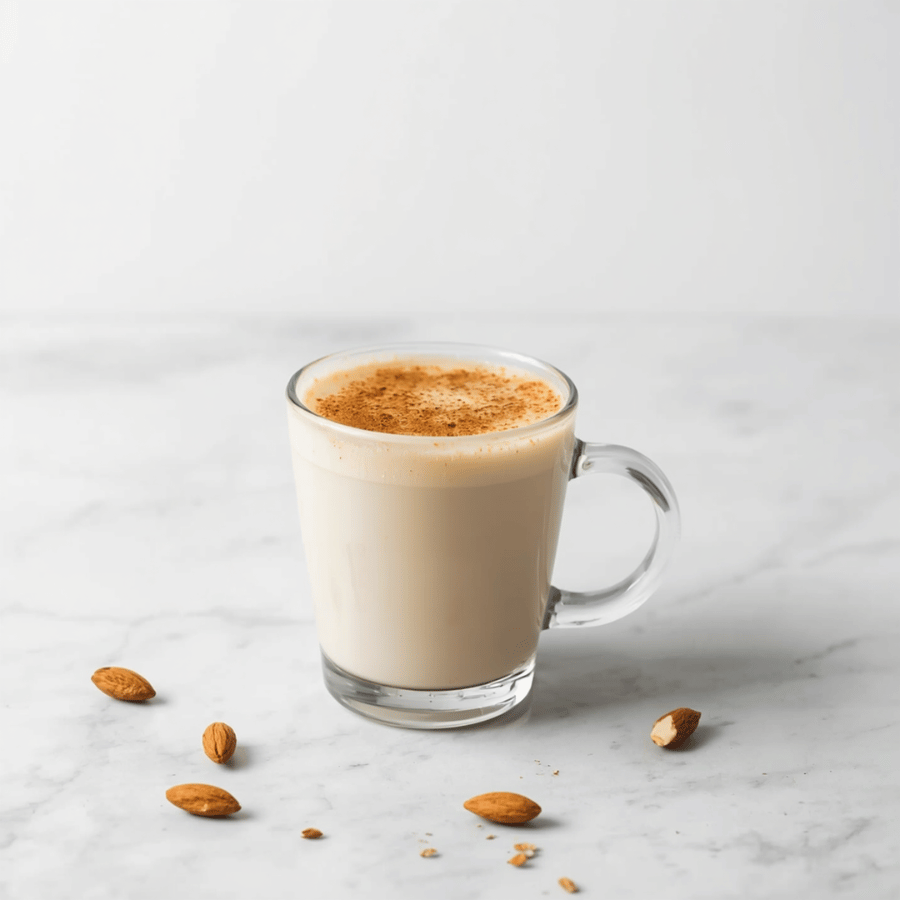
The Almond Milk Cappuccino is a delightful twist on the classic Italian beverage, combining rich espresso with velvety almond milk to create a creamy, nutty flavor profile. This recipe elevates your daily coffee routine, offering a luxurious experience that is both satisfying and indulgent. With its beautiful layers of espresso, steamed almond milk, and a frothy cap of milk foam, this cappuccino is not only a feast for the palate but also for the eyes. Perfect for those seeking a dairy-free option without sacrificing taste, this beverage showcases the versatility of almond milk in coffee preparation.
Our Story With This Recipe
As a professional barista, I’ve spent countless mornings perfecting the art of espresso and milk steaming. One of my favorite moments is when a customer takes their first sip and their face lights up with joy. The almond milk cappuccino has become a staple in my repertoire, combining the distinct flavors of high-quality espresso with the nutty, sweet notes of almond milk. It’s a drink that tells a story, one that connects us to our roots in coffee culture while exploring new avenues of flavor.
My journey with almond milk began when a close friend introduced me to dairy-free alternatives. Initially skeptical, I was amazed at how almond milk could transform my beloved cappuccino into a new experience. The subtle almond flavor beautifully complements the boldness of espresso, creating a harmonious balance that is both satisfying and refreshing.
Over the years, I’ve honed this recipe to ensure that every cup is a masterpiece. Join me as we explore the nuances of brewing the perfect almond milk cappuccino, from selecting the right beans to achieving that sought-after microfoam. Let’s dive into the world of coffee together, one cup at a time.
Why You’ll Love This Recipe
You’ll love this almond milk cappuccino because it allows you to indulge in a creamy, rich coffee experience without the heaviness of traditional dairy. The unique nutty flavor of almond milk adds a delightful twist that can invigorate your morning routine or serve as a cozy afternoon treat.
Moreover, this recipe celebrates the artistry of coffee-making. From selecting the perfect beans to mastering the steaming process, each step contributes to the overall experience. The satisfaction of dialing in your espresso and creating that perfect microfoam is unparalleled.
Lastly, the versatility of this drink allows for endless customization. You can easily adjust the sweetness, incorporate flavored syrups, or even experiment with different plant-based milks. Whether you prefer a classic cappuccino or something more adventurous, this recipe serves as a solid foundation for your coffee exploration.
The Story Behind This Recipe
The cappuccino originated in Italy, traditionally made with equal parts espresso, steamed milk, and milk foam. Its name is derived from the Capuchin friars, whose brown robes resembled the color of the drink. As coffee culture evolved, so did the cappuccino, with variations emerging worldwide.
Almond milk has gained immense popularity in recent years, particularly among those seeking lactose-free options or pursuing a plant-based lifestyle. Made from ground almonds and water, it offers a unique flavor profile that can enhance coffee beverages. Unlike cow’s milk, almond milk has a slightly sweet, nutty taste, which pairs beautifully with espresso.
When crafting an almond milk cappuccino, the quality of both the espresso and the almond milk is crucial. Specialty coffee beans sourced from regions like Ethiopia or Colombia can provide distinct flavor notes, from fruity and floral to rich and chocolatey. The extraction process should be precise, with an ideal brewing time of around 25-30 seconds to achieve the perfect yield of espresso.
The technique of steaming almond milk is also essential. It requires a different approach compared to dairy milk due to its lower protein content. Achieving the right temperature and texture is key to creating that signature frothy cap. With practice, you can create microfoam that adds depth and richness to your cappuccino, elevating your coffee experience.
Ingredients
- 18 grams freshly ground espresso beans (Use high-quality beans for the best flavor.)
- 6 ounces water (Filtered water is recommended.)
- 6 ounces almond milk (Unsweetened almond milk is preferred for a balanced flavor.)
Equipment Needed
- espresso machine
- coffee grinder
- milk frother or steam wand
- scale
- tamping tool
- thermometer
Instructions
- Begin by measuring 18 grams of freshly ground espresso beans. Use a burr grinder for a consistent grind size, aiming for a fine texture similar to table salt. This grind size is crucial for optimal extraction.
- Set your espresso machine to the right temperature, ideally around 200°F (93°C). This ensures the water is hot enough to extract the flavors without scalding the coffee.
- Tamp the coffee evenly into the portafilter, applying firm pressure to create a level surface. Aim for about 30 pounds of pressure to achieve a uniform extraction.
- Lock the portafilter into the espresso machine and start the brewing process. Aim for a yield of about 1.5 to 2 ounces of espresso within 25-30 seconds. Watch for a rich crema to form on top; this indicates a well-extracted shot.
- While the espresso is brewing, pour 6 ounces of almond milk into a steaming pitcher. If you're using a steam wand, submerge the tip just below the surface of the milk to create a whirlpool effect.
- Steam the almond milk until it reaches approximately 150°F (65°C). Be cautious not to overheat, as almond milk can separate if heated too quickly. A thermometer is helpful here.
- Once the almond milk is steamed, gently tap the pitcher on the counter to remove any large bubbles, then swirl to create a silky microfoam. The goal is to achieve a creamy texture without large air pockets.
- Pour the steamed almond milk over the freshly brewed espresso, starting with the milk and finishing with a dollop of microfoam on top. Aim for a 1:1:1 ratio of espresso, steamed milk, and foam for the perfect cappuccino.
- Garnish with a sprinkle of cocoa powder or cinnamon for an added touch of flavor. Enjoy your almond milk cappuccino immediately for the best experience!
Pro Tips
- Always use freshly roasted beans for the best flavor. Coffee's aromatic compounds begin to degrade soon after roasting.
- Experiment with different espresso blends to discover unique flavor profiles. Regional beans can impart a variety of notes to your cappuccino.
- When steaming almond milk, keep the pitcher at an angle to create a whirlpool effect, which helps incorporate air and create microfoam.
- If you find almond milk to be too thin, consider using a barista blend, which is designed for frothing and steaming.
- Practice your pouring technique to achieve beautiful latte art; the more you practice, the better your results will be!
Shop This Recipe
Variations & Modifications
For a flavored almond milk cappuccino, consider adding a pump of vanilla or hazelnut syrup to the espresso before pouring in the milk. This adds a delightful twist that can elevate your drink.
If you’re in the mood for something seasonal, try incorporating a sprinkle of pumpkin spice or a dash of peppermint syrup during the fall or winter months. These flavors can transform your cappuccino into a festive treat.
For those who prefer a stronger coffee flavor, increase the espresso dosage to 21 grams while maintaining the same milk amount. This creates a more robust drink without overpowering the almond milk.
Lastly, feel free to experiment with different plant-based milks, such as oat or coconut, to see how they change the flavor and texture of your cappuccino.
Serving & Pairing Suggestions
An almond milk cappuccino pairs beautifully with a slice of almond cake or a light pastry, as the flavors harmonize and enhance each other. The nutty notes of the cake complement the drink, creating a delightful afternoon treat.
For a savory option, consider serving it alongside a fresh avocado toast topped with a sprinkle of sea salt and chili flakes. The creaminess of the avocado contrasts nicely with the cappuccino, making for a satisfying breakfast or brunch experience.
Storage & Make-Ahead Instructions
For the best experience, almond milk cappuccino should be enjoyed immediately after preparation. If you have leftover steamed almond milk, it can be stored in the refrigerator for up to 3 days. However, it may not froth up as well after being refrigerated. Reheat gently on the stove or in a microwave before using, but avoid boiling.
If you have leftover espresso, it can also be stored in the fridge for a day. Just remember to reheat it gently before combining it with the almond milk.
Troubleshooting
If your espresso tastes bitter, it may be over-extracted. Adjust your grind size to be coarser, or reduce the brewing time.
If your almond milk does not froth well, try using a barista blend or make sure you’re not overheating it. The ideal temperature for steaming almond milk is around 150°F (65°C).
If your cappuccino lacks flavor, consider experimenting with different beans or adjusting the espresso dosage to find a balance that suits your palate.
If the microfoam is not holding its shape, ensure you’re incorporating air into the milk during steaming and not overheating it. The texture should be creamy and velvety.
Nutritional Information
An almond milk cappuccino is a lower-calorie alternative to traditional dairy cappuccinos. Unsweetened almond milk typically contains about 30-50 calories per cup, compared to around 100 calories for whole milk. This makes it a great option for those watching their caloric intake.
Additionally, almond milk is often fortified with vitamins and minerals, such as calcium and vitamin D, making it a nutritious choice for many. However, be mindful of added sugars in flavored almond milk or syrups if you’re monitoring sugar intake.
Frequently Asked Questions
Q: Can I use sweetened almond milk?
A: Yes, you can use sweetened almond milk, but it may alter the flavor profile of your cappuccino. Unsweetened almond milk is recommended for a balanced taste.
Q: What type of espresso machine do I need?
A: A semi-automatic or automatic espresso machine works best for making cappuccinos. A manual espresso machine can also produce excellent results with practice.
Q: Can I make this cappuccino without an espresso machine?
A: While an espresso machine is ideal, you can use a French press or AeroPress as alternatives to brew strong coffee, although the flavor and crema will differ.
Q: How do I make my almond milk cappuccino extra creamy?
A: Use a barista blend almond milk specifically designed for frothing, or try blending in a bit of coconut cream to enhance creaminess.
Q: What if I can’t froth almond milk?
A: If you don’t have a frother, you can shake warm almond milk in a jar or use a whisk to create foam, although the result may not be as stable.