
Siphon coffee, with its theatrical brewing method, offers a unique experience that goes beyond just enjoying a cup of coffee. This method, also known as vacuum brewing, uses vapor pressure and vacuum to extract flavors from the coffee grounds, resulting in a clean, aromatic brew. The process is not only visually captivating but also allows for precise control over extraction times and temperatures, making each cup a true reflection of the chosen beans. In this recipe, we’ll explore the intricacies of siphon brewing, share tips for perfecting your technique, and delve into the rich history that makes this method so beloved among coffee aficionados.
Our Story With This Recipe
I vividly remember the first time I encountered a siphon coffee maker. It was at a quaint coffee shop tucked away in a bustling city, where the barista performed a mesmerizing dance of heat and steam. Each step was precise, and the aroma that filled the air was intoxicating. That moment ignited my passion for coffee, leading me on a journey to explore various brewing methods and the stories behind them. The siphon, with its elegant design and complex brewing process, holds a special place in my heart, reminding me of the artistry involved in crafting the perfect cup.
Why You’ll Love This Recipe
One of the most compelling reasons to love siphon coffee is the unparalleled clarity it brings to the flavor profile. The precise control over temperature and brew time allows you to dial in your extraction to highlight specific tasting notes, whether it’s the fruity acidity of a Kenyan coffee or the rich chocolate undertones of a Brazilian blend. Additionally, the siphon brewing process creates a rich crema on the surface, enhancing the overall experience. Each sip is a journey through the complexities of the beans, making it a perfect choice for coffee enthusiasts and casual drinkers alike.
The Story Behind This Recipe
The siphon coffee maker, although often seen as a modern invention, has roots that trace back to the 19th century. Originally developed in France, this brewing method quickly gained popularity among coffee lovers who appreciated its ability to highlight the intricate flavors of coffee beans. By utilizing vapor pressure, the siphon method allows for a full extraction of oils and aromatics, resulting in a brew that is both clean and flavorful. Today, this method is embraced not only for its taste but also for the visual spectacle it provides, making it a favorite in specialty coffee shops worldwide.
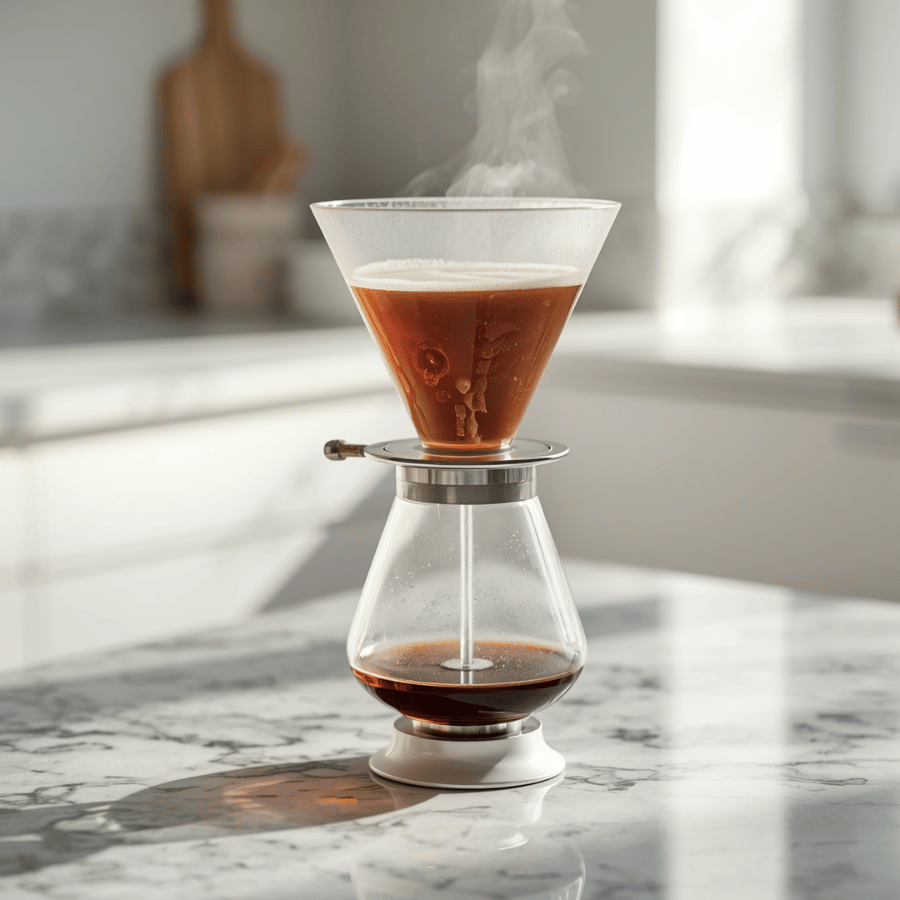
Ingredients
- 1 cup Water (Filtered water is preferred for the best taste.)
- 2 tablespoons Coffee beans (Freshly ground to a medium-fine consistency.)
Equipment Needed
- Siphon coffee maker
- Grinder
- Heat source (such as a butane burner)
- Stirring spoon
- Scale (for measuring coffee and water)
- Timer
Instructions
- Begin by measuring out 1 cup of filtered water and 2 tablespoons of freshly ground coffee. The grind size is crucial; aim for a medium-fine consistency to ensure optimal extraction.
- Assemble your siphon coffee maker according to the manufacturer's instructions. Ensure the bowl is clean and the filter chain is attached properly to avoid any blockage.
- Add the measured water to the bottom chamber of the siphon and place it on your heat source. Turn on the heat and wait for the water to start heating up, watching for steam to rise through the siphon tube.
- While the water is heating, add the coffee grounds to the top chamber of the siphon. Once the water reaches around 200°F (93°C), it will begin to bubble and rise into the top chamber, saturating the coffee grounds. This is known as the 'bloom' phase.
- After the coffee grounds have been fully saturated, wait for about 30 seconds to allow the coffee to bloom. This step is crucial as it releases carbon dioxide, enhancing the flavor extraction.
- Stir the coffee gently with a spoon to ensure even saturation of the grounds. After stirring, allow the coffee to brew for approximately 2-3 minutes, depending on your taste preference.
- Once the brewing time is complete, remove the heat source, and watch as the brewed coffee is drawn back down into the bottom chamber through the filter. This is the magic of siphon brewing!
- Finally, pour the brewed coffee into your favorite mug, savoring the aroma and flavor profile that a siphon coffee maker uniquely provides.
Pro Tips
- Always use freshly roasted coffee beans for the best flavor. Aim for a roast date within the last two weeks for maximum freshness.
- Experiment with different grind sizes and brew times to dial in your perfect cup. Slight adjustments can significantly impact the flavor.
- Maintain your siphon coffee maker regularly to ensure optimal performance. Clean the glass components after each use to prevent any build-up.
- Use a scale to measure your coffee and water for consistent results. A standard ratio is 1:15, but feel free to adjust based on your preference.
- Consider using different origins of coffee beans to explore various flavor profiles. Each bean has its unique characteristics that shine through the siphon method.
Shop This Recipe
Variations & Modifications
For those looking to experiment, consider adding spices such as cinnamon or cardamom to your coffee grounds during the brewing process. This can introduce a warm, aromatic quality to your cup. Additionally, you can try cold brewing with your siphon by using cold water and adjusting the brew time to approximately 6-8 minutes. This method yields a smooth, refreshing coffee perfect for summer days. Lastly, consider adding flavored syrups or creamers to your finished cup for a personalized touch, allowing you to create a unique coffee experience tailored to your taste buds.
Serving & Pairing Suggestions
Siphon coffee pairs beautifully with light pastries such as croissants or fruit tarts, which complement the coffee’s bright acidity. Additionally, consider enjoying it alongside dark chocolate, as the rich flavors can enhance the coffee’s inherent sweetness. For a more substantial pairing, try a slice of almond cake or a savory quiche that balances the coffee’s flavors with a hint of saltiness.
Storage & Make-Ahead Instructions
For the best flavor, siphon coffee should be consumed immediately after brewing. If you have leftovers, store them in an airtight container in the refrigerator for up to 24 hours. Reheat gently on the stove or in the microwave, but avoid boiling to preserve the coffee’s delicate flavors. Note that reheating may alter the taste, so it’s always best to brew fresh when possible.
Troubleshooting
If your siphon coffee isn’t extracting properly, check that your grind size is appropriate. A grind that is too fine can cause clogging, while a grind that is too coarse may lead to weak flavor. If you notice a bitter taste, consider reducing the brew time or adjusting the coffee-to-water ratio. In case of spills or leaks, ensure that the seals are intact and that the filter chain is positioned correctly. Lastly, if your coffee lacks aroma, try using fresher beans or increasing the bloom time to allow for better flavor release.
Nutritional Information
Siphon coffee is low in calories and contains no added sugars or fats unless you choose to add sweeteners or creamers. It’s also rich in antioxidants and may offer various health benefits, including improved cognitive function and enhanced metabolism. However, be mindful of your caffeine intake, especially if you’re sensitive to caffeine or have dietary restrictions.
Frequently Asked Questions
Q: Can I use pre-ground coffee for siphon brewing?
A: While pre-ground coffee can be used, it’s best to grind your beans fresh for optimal flavor. Pre-ground coffee tends to lose its freshness and complexity.
Q: How do I clean my siphon coffee maker?
A: After each use, disassemble the siphon and wash the glass components with warm, soapy water. Rinse thoroughly and allow them to air dry. Avoid using abrasive materials to protect the glass.
Q: Is siphon coffee stronger than other brewing methods?
A: The strength of siphon coffee can vary based on the coffee-to-water ratio and brew time. Generally, it offers a clean and vibrant flavor rather than a stronger brew.
Q: Can I brew tea using a siphon coffee maker?
A: Yes, a siphon coffee maker can also be used for brewing tea. Adjust the temperature and steeping time based on the type of tea you are using.
Q: What type of beans are best for siphon brewing?
A: Single-origin beans work wonderfully in siphon brewing, as their unique flavor profiles can be fully appreciated through this method. Experiment with various origins to find your favorite.